September 10, 2026
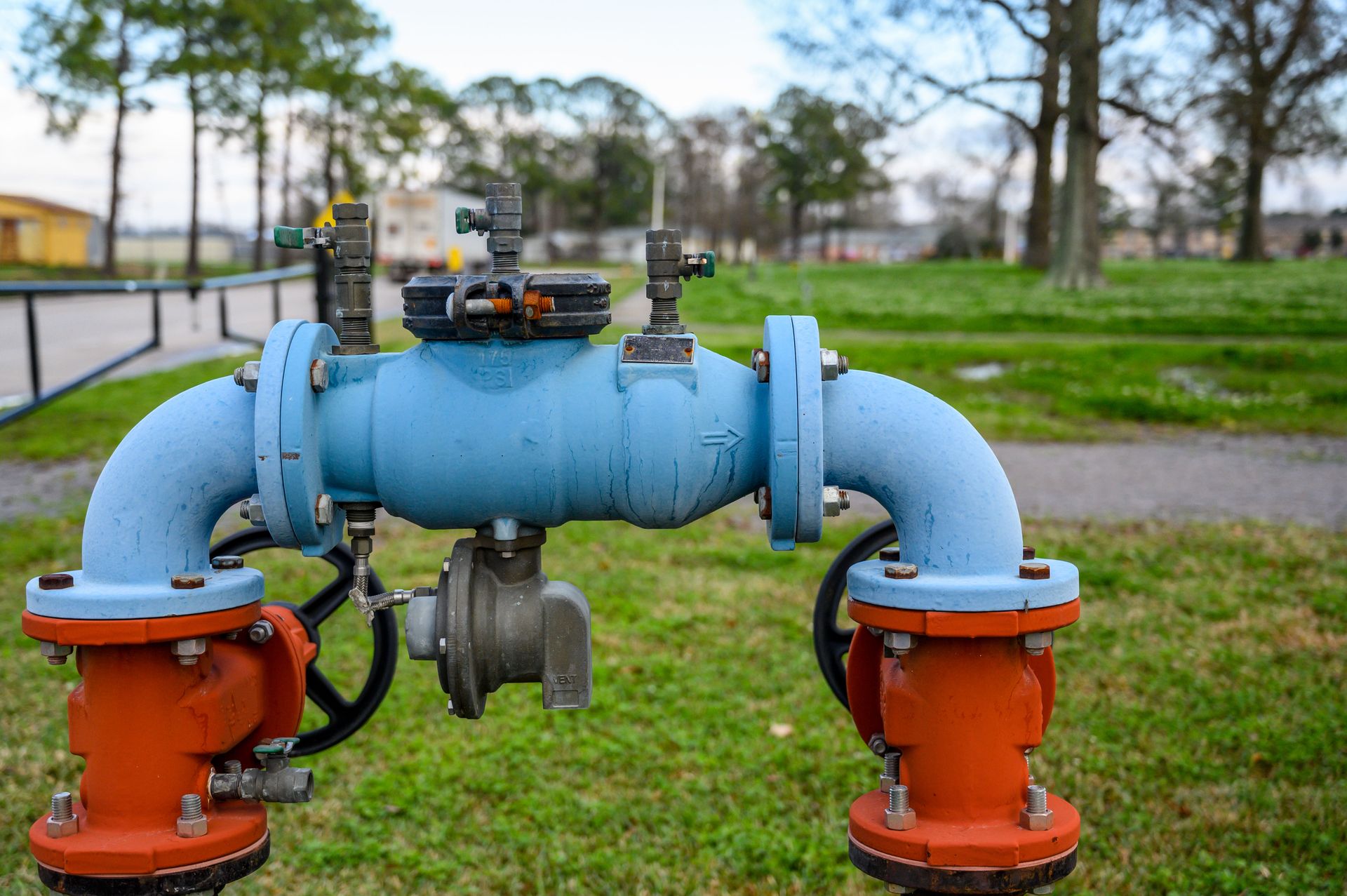
Clean drinking water is something many homeowners depend on every day without giving much thought to the system that delivers it. Plumbing systems are designed to move water in the proper direction, helping keep potable water separate from potentially contaminated sources. However, changes in water pressure can sometimes cause water to flow in the opposite direction. This reversal, known as backflow, can create concerns when contaminants enter a plumbing system that supplies drinking water. Backflow preventers are designed to help stop this unwanted reversal and protect the water supply within a property. Understanding how these devices work can help homeowners recognize the importance of maintaining them properly. Regular inspections and back flow testing can play an important role in identifying whether a backflow prevention device is functioning as intended. Taking steps to protect a home's water supply can support a safer and more reliable plumbing system.
Preventing Contaminated Water From Reversing
Water is supposed to travel through a plumbing system in one direction. Under normal conditions, pressure keeps water moving from the public supply into a home and toward faucets, appliances, and fixtures. Problems can occur when a sudden change in pressure causes water to reverse its direction. This may allow water from irrigation systems, appliances, or other sources to move toward the clean water supply. A backflow preventer is designed to create a barrier that helps stop contaminated water from traveling backward through the plumbing system. These devices are particularly important where potable water may come into contact with substances that should remain separate from drinking water. Back flow testing helps determine whether the device is operating correctly and providing the protection it is designed to offer. By preventing unwanted water reversal, homeowners can better protect the quality of water used throughout the property.
Protecting Household Drinking Water
The primary purpose of a backflow prevention device is to help protect potable water from contamination. Homes contain several plumbing connections where water may come into contact with chemicals, waste, or other non-potable substances. Without proper protection, pressure changes could potentially allow those substances to enter parts of the plumbing system connected to drinking water. A functioning preventer helps maintain separation between clean water and potentially contaminated sources. This protection is important for water used for drinking, cooking, bathing, and other everyday household activities. Homeowners may not notice when a backflow issue occurs because problems can develop within pipes and connections that are not immediately visible. Regular back flow testing can help identify potential issues before a malfunctioning device creates a larger concern. Maintaining the proper plumbing safeguards helps homeowners take a proactive approach to protecting their water supply.
Responding to Changes in Water Pressure
Backflow problems are often connected to changes in water pressure within a plumbing system. A pressure drop can occur for different reasons, including increased demand on the water system or interruptions in the normal water supply. When pressure conditions change, water may no longer move in its intended direction. This creates the possibility of back siphonage or other forms of reverse flow. A properly installed backflow preventer is designed to respond to these situations by helping block the reverse movement of water. The device acts as an important protective component within the plumbing system. According to PHCP Pros, after learning more about backflow prevention, 73% of homeowners believed these devices should be mandatory for homes connected to public water systems. This level of support demonstrates the importance many homeowners place on protecting drinking water once they understand how reverse flow can affect a plumbing system.
Supporting Safe Irrigation Connections
Irrigation systems can create a potential connection between a home's water supply and outdoor sources of contamination. Lawn chemicals, fertilizers, soil, and standing water may come into contact with irrigation equipment. If water pressure changes unexpectedly, contaminated water could potentially move backward through the system without proper protection. Backflow prevention devices help create separation between irrigation components and potable water lines. This is particularly important for homeowners who use sprinkler systems to maintain lawns and landscaping. A professional can inspect the system and determine whether the appropriate protective measures are functioning properly. Back flow testing can help verify that a device continues to operate as intended over time. Maintaining these safeguards can support both the plumbing system and the quality of water entering the home.
Maintaining Proper Device Performance
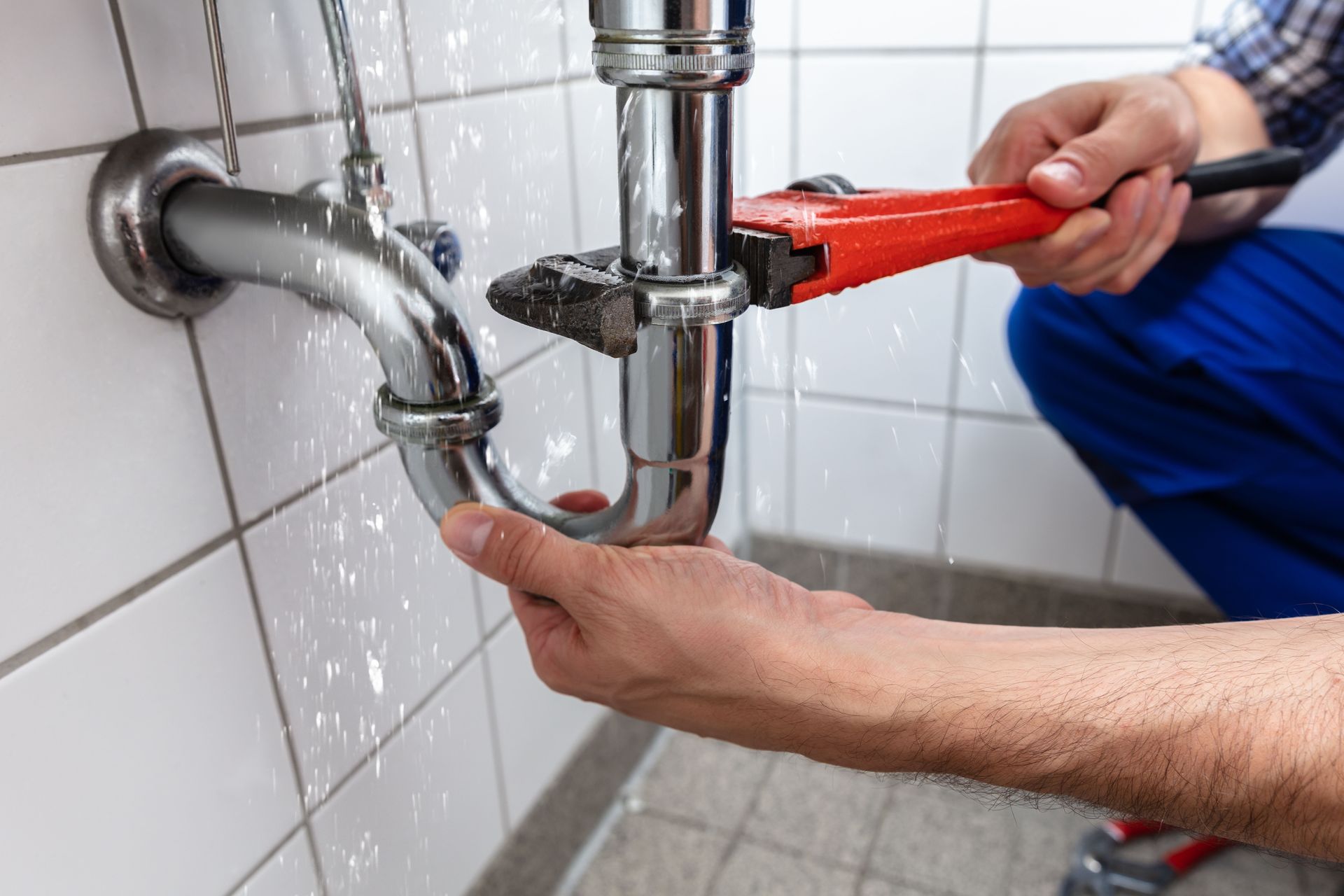
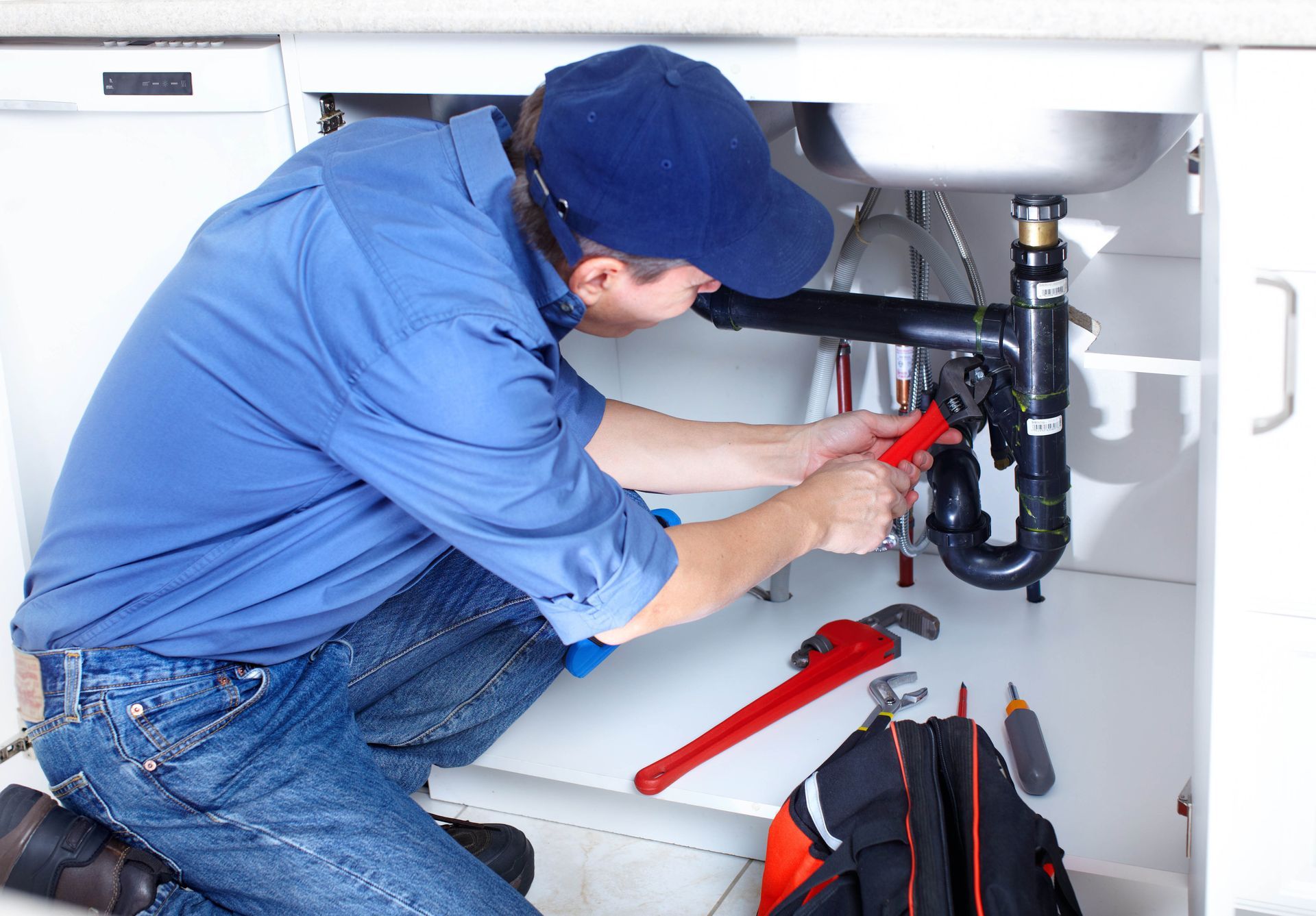
Like other components of a plumbing system, backflow prevention devices require attention to continue performing their intended function. Internal parts can experience wear over time, and damage or mechanical issues may affect how well the device works. A device may appear normal from the outside while developing problems that are not immediately obvious to a homeowner. Professional evaluation can help identify issues involving valves, seals, pressure, and other important components. Routine maintenance may also help address concerns before they lead to more significant plumbing problems. Homeowners should understand that installing a backflow preventer is only part of the process of protecting a water supply. Back flow testing provides an opportunity to evaluate the device and confirm whether it is operating properly. Consistent maintenance can help homeowners remain aware of the condition of this important plumbing component.
Reducing Potential Plumbing Concerns
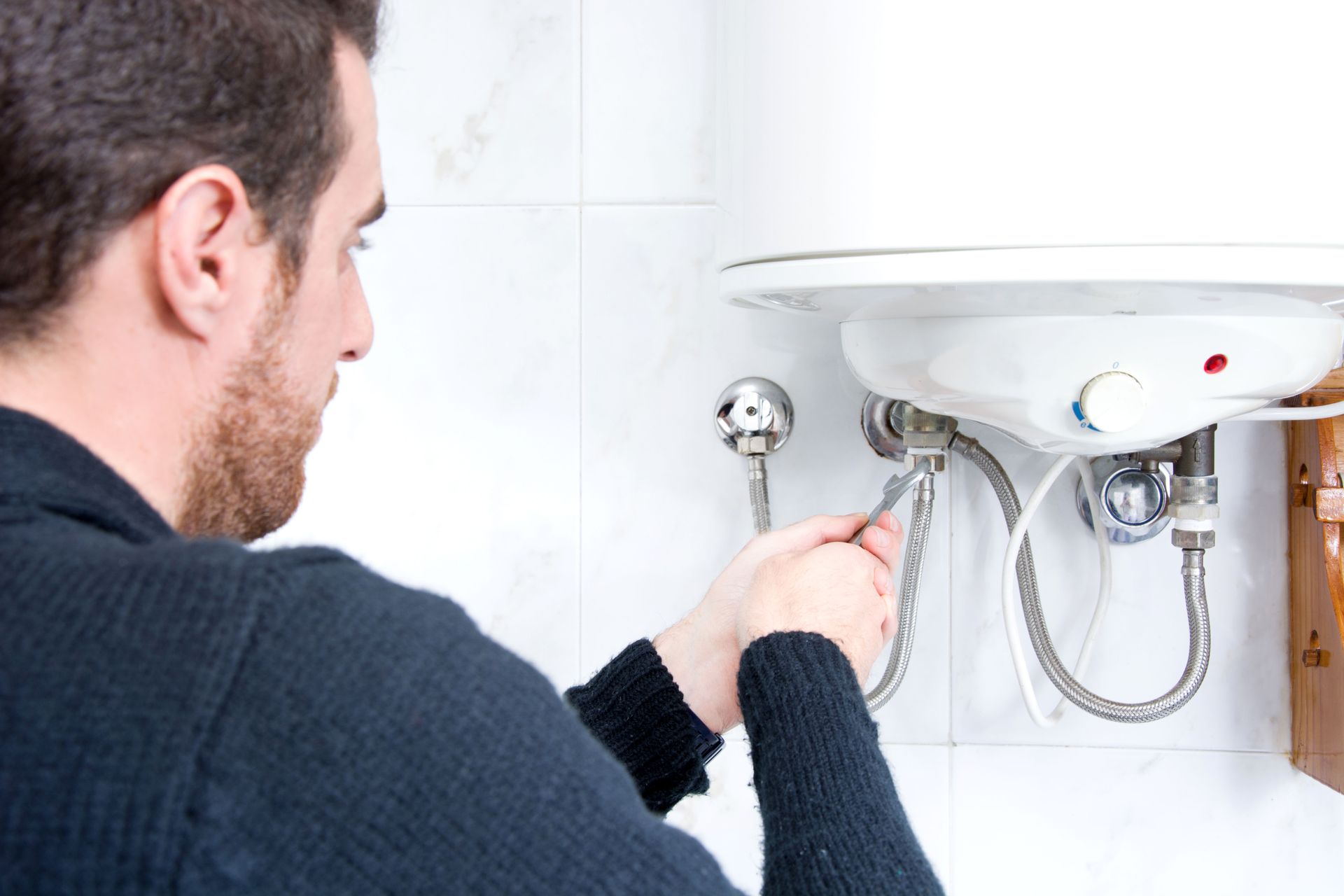
A backflow problem can affect more than one area of a home's plumbing system. When water flows in the wrong direction, it can introduce unwanted substances into pipes that are intended to carry clean water. Addressing these concerns may require professional inspection and additional plumbing work depending on the situation. Preventive measures can help reduce the likelihood of discovering a problem after contamination has already become a concern. Backflow preventers are one part of a broader approach to maintaining a properly functioning plumbing system. Homeowners can also pay attention to changes in water pressure, unusual plumbing behavior, and other signs that may require professional attention. Scheduling back flow testing when appropriate can help identify whether the protective device is functioning as expected. Taking preventative steps can help homeowners address potential concerns before they develop into more complicated issues.
Meeting Applicable Water Safety Requirements
Backflow prevention requirements can vary depending on the location and the type of plumbing connection involved. Public water systems and local authorities may establish rules designed to help protect the broader community water supply. Certain properties or plumbing configurations may require specific types of backflow prevention devices. Homeowners should understand the requirements that apply to their property and water connections. Professional plumbers can provide guidance about plumbing components and maintenance needs based on the existing system. Following applicable requirements can help property owners avoid overlooking important water protection measures. Back flow testing may also be required in certain situations to verify that a device continues to function properly. Staying informed about local requirements can help homeowners maintain plumbing systems that support both property needs and water safety.
Providing Long-Term Peace of Mind
Homeowners often focus on visible plumbing fixtures such as sinks, toilets, and showers, but many important protective components remain out of sight. A backflow preventer is one example of a device that can provide valuable protection without requiring daily attention. Knowing that the plumbing system includes safeguards against reverse water flow can provide greater confidence in the home's water supply. Proper installation, inspection, and maintenance all contribute to the long-term performance of these devices. Homeowners who understand the role of backflow prevention can make more informed decisions about their plumbing maintenance needs. Addressing potential concerns early can be simpler than waiting until a larger problem develops. Back flow testing offers an important way to check whether a device is continuing to provide the protection it was designed to deliver. Maintaining this part of the plumbing system can support greater peace of mind for homeowners and their families.
Protect your home's water supply with professional plumbing services from Robin Plumbing, LLC. Contact our team today to learn more about backflow prevention and schedule the services needed to help keep your plumbing system functioning properly.